Hurricane season in Texas isn’t just about boarding up windows and stocking up on bottled water. For homeowners, protecting what’s underground—and often out of sight—is just as critical as what’s above ground. Yes, we’re talking about your plumbing.
At Brad’s Plumbing, we’ve seen how storms can wreak havoc on Texas plumbing systems. From sewer line backups to broken water heaters and flooded crawl spaces, unprepared homes are vulnerable when the heavy rains and winds roll in. The good news? A few proactive steps can help protect your home’s plumbing and save you thousands in potential damages.
In this guide, we’ll walk you through exactly how to prep your plumbing for hurricane season in Texas—so your pipes stay strong, your drains keep flowing, and your family stays safe and dry.
When Is Hurricane Season in Texas?
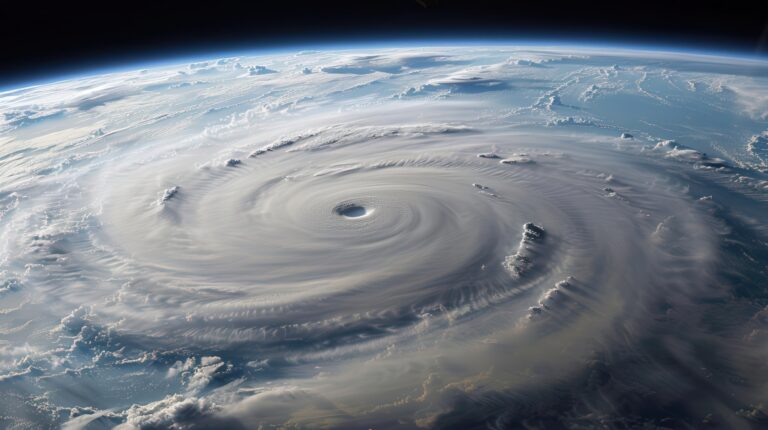
Texas hurricane season officially runs from June 1 to November 30, with the greatest storm activity usually peaking in August and September. During this time, Gulf Coast storms can bring:
- Flash flooding and torrential rain
- Power outages
- Sewer and water line disruptions
- High winds damaging exposed plumbing
Homes in areas like Houston, Galveston, Beaumont, and surrounding coastal regions are particularly at risk, but even inland Texas cities can experience severe side effects from tropical systems.
Now let’s dig into the plumbing prep steps every Texas homeowner should follow before the next storm hits.
1. Inspect and Clear Your Drains & Gutters
Clogged outdoor drains and gutters are one of the most common culprits of storm-related plumbing problems. When your system can’t move water away from your home efficiently, it puts added pressure on your foundation and sewer lines—and increases your risk of flooding.
Action Step:
- Clear gutters and downspouts of leaves, sticks, and debris.
- Check that yard drains and French drains are free-flowing.
- Consider installing gutter guards or drain covers to keep debris out.
At Brad’s Plumbing, we can help inspect your yard drainage and ensure water is being redirected properly before the storms come.
2. Secure and Protect Exposed Pipes
Not all plumbing is underground. Many homes have exposed pipes—especially for outdoor kitchens, hose bibs, or irrigation systems—that can be damaged or dislodged during heavy wind events.
Action Step:
- Insulate or cover exposed piping with foam sleeves or weatherproof tape.
- Shut off and drain irrigation systems if a hurricane is imminent.
- Strap down or secure any outdoor plumbing components that could be blown loose.
Brad’s Plumbing can perform a full home walk-through to identify at-risk piping and help you secure it safely.
3. Check Your Sewer Line Health
Heavy rainfall during hurricanes often leads to sewer backups. If your sewer line is already compromised—by tree roots, partial blockages, or pipe corrosion—it’s far more likely to back up into your home during a storm.
Action Step:
- Schedule a video camera inspection of your sewer line.
- Look out for signs of problems: slow drains, bad odors, or gurgling toilets.
- Have blockages cleared proactively with professional drain cleaning or hydro jetting.
Brad’s Plumbing offers non-invasive sewer line inspections and cleaning so you can spot issues before they escalate during a storm.
4. Test Your Sump Pump (If You Have One)
Sump pumps are more common in flood-prone areas or homes with basements, but they’re not exclusive to them. If your home relies on a sump pump to redirect groundwater, it needs to be in top shape before hurricane season.
Action Step:
- Test your sump pump by pouring a bucket of water into the pit and ensuring it activates properly.
- Make sure the pump is connected to a working power source.
- Consider installing a battery backup system in case of power outages.
Don’t have a sump pump but live in a flood-risk area? Brad’s Plumbing can install one to protect your foundation and prevent stormwater damage.
5. Protect Your Water Heater
Water heaters are often located in garages or closets—areas that can be prone to flooding during hurricanes. If your unit gets submerged, it may become unsafe or stop working altogether.
Action Step:
- Elevate your water heater off the ground, especially if it’s in a low-lying area.
- Install a drain pan with a sump pump or drain connection.
- Turn off your water heater if flooding is expected to avoid pressure damage.
Need help installing or upgrading a water heater to handle Texas weather? Our team can recommend tank or tankless models that are durable and efficient.
6. Know How to Shut Off Your Main Water Valve
In the event of severe flooding or pipe damage, knowing how to shut off your water supply can prevent major interior damage. It’s one of the most important steps you can take during hurricane prep.
Action Step:
- Locate your main water shut-off valve (usually near the meter or where the main line enters your home).
- Test it to make sure it turns smoothly.
- Teach all family members how to use it in an emergency.
If you can’t find or operate your valve, Brad’s Plumbing will gladly walk you through it during a pre-season plumbing checkup.
7. Prepare for Power Loss: Plumbing Backups & Generators
Hurricanes often mean power outages, and power outages can affect your plumbing, especially if you rely on a grinder pump, sump pump, or electric well pump.
Action Step:
- Consider a backup generator to keep pumps running.
- Avoid flushing toilets or draining tubs when power is out unless absolutely necessary.
- Know which plumbing systems in your home depend on electricity.
We can advise you on plumbing-friendly generator setups and what precautions to take if power goes out during a storm.
8. After the Storm: What to Check First
Once the storm has passed, the work isn’t quite done. Checking your plumbing early can help catch issues before they get worse.
Action Step:
- Inspect all plumbing fixtures for proper flow and pressure.
- Check outdoor spigots and irrigation lines for damage.
- Look for signs of water intrusion or slow drains indoors.
- Watch for discolored water or unusual smells—both signs of potential contamination.
If anything seems off, it’s better to call early. Brad’s Plumbing provides fast post-storm assessments and emergency repairs to restore your peace of mind.
Why Professional Plumbing Prep Matters
Even if you’re handy, hurricane prep isn’t just about checking boxes—it’s about reducing risk. Plumbing failures during or after a storm can lead to:
- Major water damage
- Mold and mildew
- Sewer backups into the home
- Contaminated water supply
- Increased insurance claims and long-term repair costs
At Brad’s Plumbing, we’ve helped Texas homeowners prepare for—and recover from—every kind of storm. We know the local risks, we understand the regional codes, and we’re here when you need real peace of mind.
Let Brad’s Plumbing Help You Weather the Storm
Hurricane season in Texas isn’t something you can avoid—but plumbing disasters are. With the right preparation and a trusted local plumber on your side, you can keep your home protected no matter what the skies bring.
Whether you need a drain inspection, sewer cleaning, water heater protection, or a full pre-storm plumbing checkup, Brad’s Plumbing is here to help.
👉 Contact Brad’s Plumbing today to schedule your hurricane prep service.
Call us at [insert phone number] or schedule online at https://bradsplumbing.com before the next storm rolls in.